

LINX Reflux Management System
You're good to go
Designed for everyday life. LINX® will not affect airport security. And you can still have an MRI. Enjoy life with LINX®.
Low downtime
The LINX® procedure generally takes less than an hour to perform. Patients typically go home within 24 hours and resume a normal diet.
Restore, don't reconstruct.
Unlike other procedures to treat reflux, LINX® is implanted around the outside of the Lower Esophageal Sphincter (LES) and requires no alteration to the stomach.
Retained ability to belch and vomit.
Go ahead, let it out. LINX® preserves normal physiological function so you can belch or vomit as needed. The titanium beads open and close to let food down, and if it needs to come up, it can.
The LINX® difference
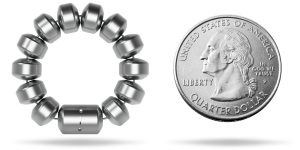
LINX is designed to work in harmony with the body to augment the weak sphincter without compromising the esophagus. the strength of the magnets is precisely calibrated to restore the Lower Esophageal Sphincter (LES) barrier function. the dynamic opening and closing of the beads preserves physiological function, allowing patients to belch and vomit. LINX is MRI compatible to 15T.
Simply designed to be simple.
LINX® is easy to understand and love because it is simple. The beauty of this quarter-sized device is it does exactly what your failing Reflux Barrier is supposed to do — prevent stomach acid from entering your esophagus.
Constructed of titanium and permanent magnets, LINX is placed around the LES during a minimally invasive procedure. the strength of the magnets helps keep the weak LES closed to prevent reflux. When patients swallow, LINX® opens temporarily to allow food and liquid to pass into the stomach.
Benefits of LINX®
-

85% of patients achieved freedom from daily medication
-

Bothersome heartburn was eliminated in 88% of patients.
-

Bothersome regurgitation was eiminated in 99% of patients.
-

Decreased gas and bloating.
-

Patients reported a significant improvement in their Quality of Life.
Lower Esophageal Sphincter
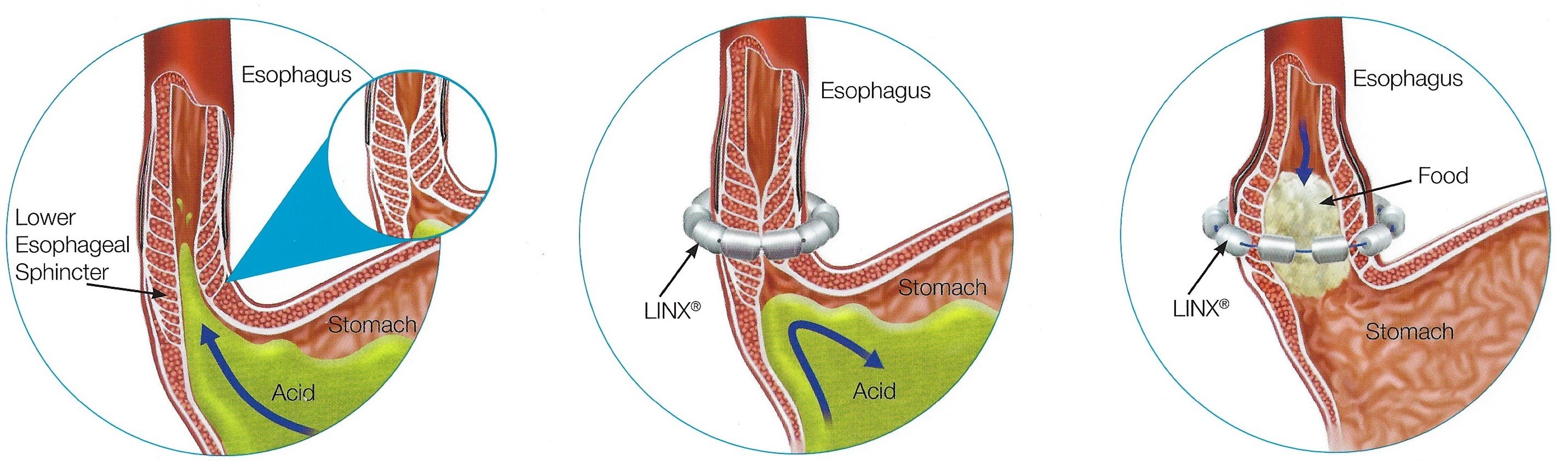
Reflux (also called Gastroesophageal Reflux Disease, or GERD) is caused by a weak muscle in your esophagus called the Lower Esophageal Sphincter (LES) that allows acid and bile to flow back from the stomach into the esophagus, causing damage to the lining of the esophagus, throat, and lungs.
In addition to producing a wide range of symptoms, reflux disease can lead to serious complications including:
- Esophagitis (Inflammation that can damage the tissue of the esophagus)
- Stricture (Narrowing of the esophagus)
- Barrett’s esophagus (Pre-cancerous changes to the tissue lining the esophagus)
- Esophageal cancer
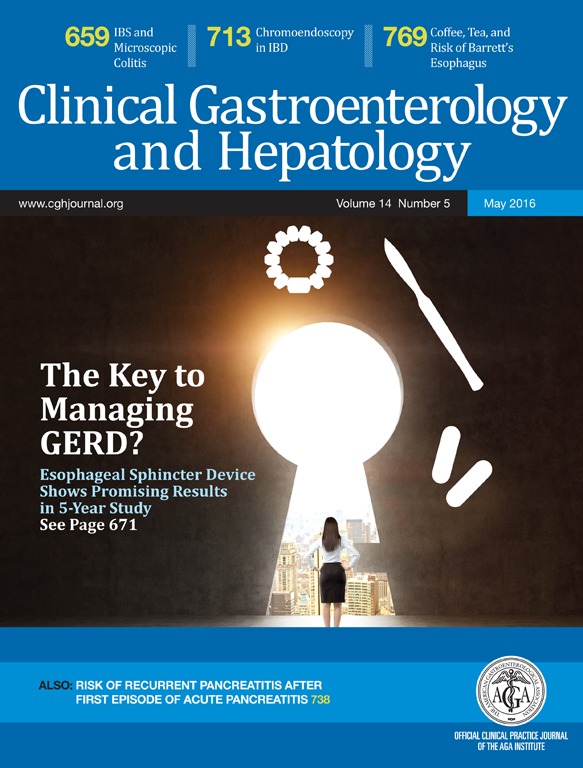
According to a study by the Journal of Clinical Gastroenterology and Hepatology, sufferers of Reflux disease who received a medical device like LINX saw a sharp reduction in Reflux symptoms within a year and remained sharply reduced for five years.
Does insurance cover LINX®?
Insurance companies and Medicare are approving patients for LINX® on a case-by-case basis. Once you have completed your pre-tests and are a candidate for LINX®, your surgeon will start the approval process.
What is LINX®?
LINX® is a small, flexible band of magnets that is surgically placed around the esophagus just above the stomach to help prevent reflux.
How is LINX® different from other procedures?
LINX® requires no alteration to the stomach, reduces gas and bloating, preserves the ability to belch and vomit, and patients generally go home within 24 hours and resume a normal diet
How is LINX® implanted?
LINX® is placed around the esophagus just above the stomach using a minimally invasive surgical technique. the procedure lasts about an hour and many patients are able to go home the same day.
Can LINX® be removed if needed?
Yes. LINX can be removed using a minimally invasive procedure that generally lasts less than an hour and does not limit patients’ future treatment options.
How do I know if I'm a candidate for LINX®?
Three diagnostic tests are used to determine if patients may candidates for LINX®: Endoscopy, pH, and Manometry
What does LINX® cost?
For patients with insurance, the out-of-pocket cost is based on your insurance plan, including deductibles and co-payments
When can I start eating normally again?
Patients are encourages to return to a normal diet as soon as tolerated or as directed by their physician.
When can I return to normal activities?
Patients are generally able to return to non-strenuous activity within a couple of days.
How long will LINX® last?
LINX® is designed to be a lifelong implant.
Can i go through airport security?
LINX® should not affect airport security. All patients are provided an implant card to let people know they have an implant.
Can i have an MRI?
Yes. LINX® patients may undergo magnetic resonance imaging (MRI) up to either 0.7-Tesla (0.7T) or 1.5-Tesla (1.5T) depending on the LINX® model implanted. You should discuss the MRI scanning optios with your physician prior to deciding on treatment with LINX®. LINX® patients can also undergo: CT scan, x-ray, ultrasound and PET scan.
What are the potential risks associated with LINX®?
Belching, decreased appetite, device erosion, device migration (device does not appear to be at implant site), dysphagia (difficulty swallowing), flatulence, hiccups, inability to belch of vomit, infection, nausea, odynophagia (painful swallowing), pain, regurgitation, stomach bloating, weight loss, and worsening of preoperative symptoms.